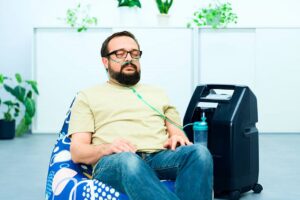
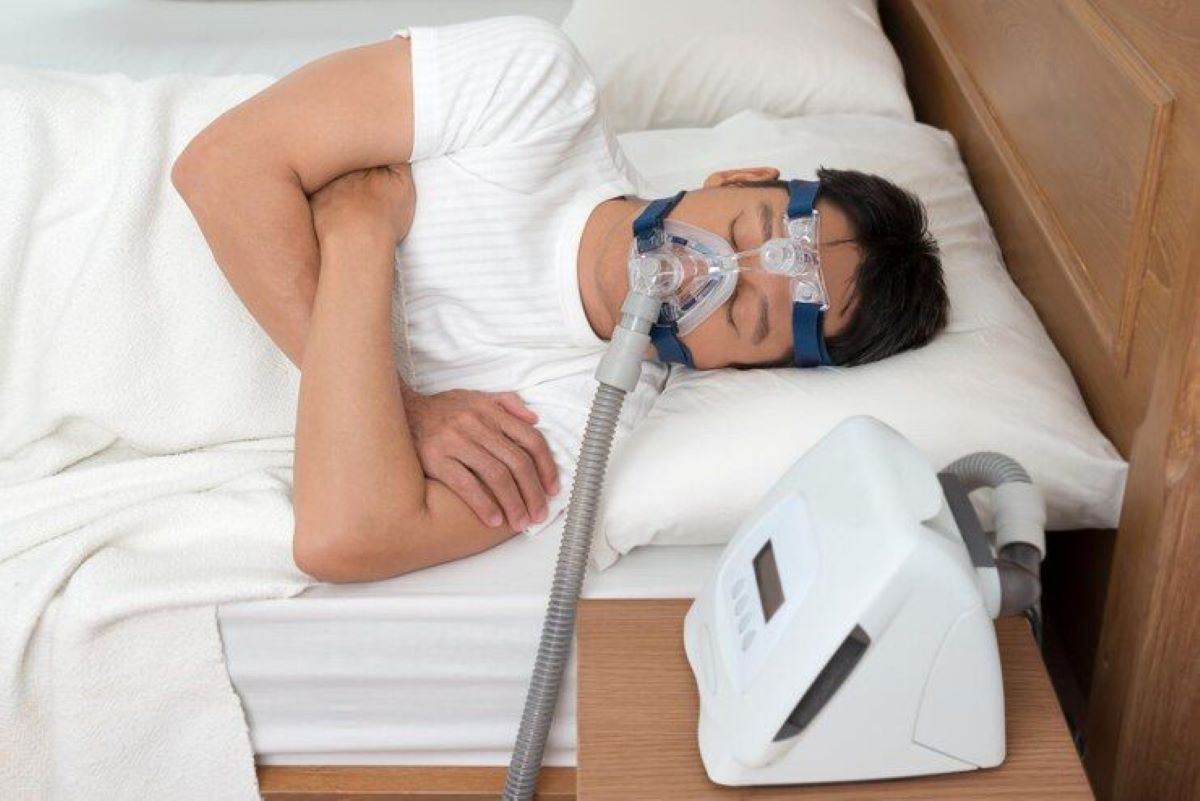
Before they buy anything, they should treat the concentrator as a medical device choice, not an appliance. The safest path is matching the unit to the clinician’s prescription and the patient’s real-world usage.
What does the prescription actually require?
The prescription typically specifies flow rate (liters per minute), how many hours per day oxygen is needed, and whether oxygen is continuous flow or pulse dose. These details determine which home oxygen concentrator options are even suitable.
If they are unsure, they should ask the clinician for the exact prescribed LPM at rest, during sleep, and during exertion. For a home oxygen concentrator, one person may need 2 LPM sitting still but 4 LPM while walking, which can change the entire shortlist.
Should they choose continuous flow or pulse dose?
Continuous flow delivers oxygen steadily and is common for sleep, higher flow needs, or when pulse sensing is unreliable. Pulse dose delivers oxygen in bursts when the device detects inhalation, often used for portability and lower overall oxygen demand.
If they are mouth-breathers during sleep, have shallow breathing, or have conditions where triggering can fail, continuous flow is usually the safer default. If their prescription is specifically written for pulse dose and they tolerate it well, pulse units can be more convenient and energy-efficient.
How much flow (LPM) do they really need?
Most home stationary concentrators support common ranges like 0.5 to 5 LPM, while some high-flow models go higher. The key is not buying “average,” but buying what covers peak needs safely.
They should confirm whether the prescribed flow must be met continuously, including during activity. If exertion needs exceed what a concentrator can deliver, a clinician may recommend a different setup, such as supplemental cylinders for certain times.
Is a stationary unit, a portable unit, or both the best fit?
Stationary concentrators are designed for the home and usually handle higher continuous flow with fewer compromises. Portable oxygen concentrators (POCs) prioritize mobility and battery operation, often with pulse dose and lower maximum output.
If they rarely leave home, a stationary unit typically gives the most dependable oxygen delivery. If they travel, attend appointments frequently, or want independence outside, they may need a portable unit, but they should confirm it can meet their prescription in real conditions.
What should they look for in oxygen purity and performance claims?
Reputable concentrators list an oxygen concentration range, often around 87% to 96% depending on flow rate and device design. Purity can drop at higher flows, so “5 LPM” and “high purity at 5 LPM” are not the same claim.
They should read the specification sheet, not just the marketing page. If they rely on a certain saturation level, they should confirm with a clinician whether the unit’s purity range at their required flow is acceptable. Click here to learn more about Philips EverFlo Oxygen Concentrator: Features, Pros, and Cons.
How loud is “too loud” for daily life?
Noise matters because concentrators often run for hours, including overnight. Many models list decibel ratings, and small differences on paper can feel big in a bedroom.
If the unit will be used during sleep, they should prioritize quieter models and consider placement, such as outside the bedroom with longer tubing if clinically appropriate. They should also plan for vibration and fan noise, not just “sound level.”
How should they think about tubing length and home layout?
Longer tubing can help them place the concentrator in a better spot, but excessive length can affect delivery depending on flow and setup. Home layout also affects safety, tripping risk, and whether the device can breathe properly.
They should map the common walking routes, doorway thresholds, and places where tubing might snag. A simple plan, like routing tubing along walls and using tubing supports, can prevent falls and frustration.
What maintenance and filters will they be responsible for?
Most units require basic filter cleaning or replacement, plus periodic checks to keep performance stable. Some maintenance is simple, but it must be done consistently.
They should ask what filters exist, how often they need attention, and whether alerts are built in. If they are not able to manage routine upkeep, they should arrange caregiver support or choose a model with simpler maintenance requirements.
What alarms, indicators, and safety features matter most?
Good units include alarms for low oxygen concentration, power failure, overheating, and flow issues. Clear indicators reduce guesswork, especially for caregivers.
They should look for straightforward displays and audible alarms that can actually be heard in another room if needed. If they live alone, remote monitoring features may help, but only if someone is ready to act on alerts.
Other Resources : Dissolved oxygen | Australian Drinking Water Guidelines
How should they plan for power outages and emergencies?
A stationary concentrator needs electricity, so outages require a backup plan. That plan often includes oxygen cylinders, a portable concentrator with charged batteries, or a generator plan if appropriate.
They should ask the oxygen supplier what backup is recommended for their prescription and local outage risk. They should also store emergency numbers and ensure household members know what to do if the concentrator stops.
Should they rent or buy the concentrator?
Renting can reduce upfront cost, simplify servicing, and allow easy swaps if needs change. Buying can make sense for long-term therapy if warranties, service access, and total cost work out.
They should compare total cost over 12 to 24 months, including filters, service, and potential repairs. If their condition is evolving, renting can prevent being stuck with a unit that no longer fits.
How can they avoid common buying mistakes?
The most common mistake is choosing based on price or portability without confirming performance at the prescribed flow. Another frequent issue is buying a portable unit that cannot meet needs during exertion or sleep.
They should insist on matching the prescription, reviewing spec sheets, and asking the supplier about real-use limitations. If possible, they should confirm fit using clinician guidance and pulse oximetry plans, not guesswork.
What’s the simplest checklist they can use before choosing?
They should choose the unit that meets the prescription first, then optimize for comfort and lifestyle. A quick checklist keeps the decision grounded.
They can confirm:
- Prescribed LPM at rest, sleep, and exertion
- Continuous flow vs pulse dose requirement
- Purity range at the required flow
- Noise level acceptable for their home
- Maintenance steps they can reliably do
- Backup oxygen plan for outages
- Service, warranty, and supplier support terms
FAQs (Frequently Asked Questions)
What factors should I consider when choosing a home oxygen concentrator?
When selecting a home oxygen concentrator, prioritize matching the device to your clinician’s prescription and your daily oxygen needs rather than brand hype. Consider flow rate (liters per minute), hours of use per day, and whether you need continuous flow or pulse dose delivery. Also, evaluate your home setup, lifestyle, maintenance capability, noise tolerance, and backup power options.
How do I know if I need a continuous flow or pulse dose oxygen concentrator?
Continuous flow concentrators deliver oxygen steadily and are typically recommended for sleep, higher flow requirements, or if pulse sensing is unreliable (e.g., mouth breathing or shallow breathing). Pulse dose units deliver oxygen in bursts upon inhalation detection and are often chosen for portability and lower oxygen demands. Always follow your clinician’s prescription and discuss which mode suits your health condition best.
What is the importance of oxygen flow rate (LPM) in choosing a concentrator?
Oxygen flow rate (liters per minute) determines how much oxygen you receive. Your prescription specifies the required LPM at rest, during sleep, and exertion. Most stationary concentrators support 0.5 to 5 LPM; some high-flow models go higher. It’s crucial to select a unit that safely covers your peak needs to ensure effective therapy throughout all activities.
Should I opt for a stationary unit, portable unit, or both?
If you mostly stay at home, a stationary concentrator usually provides dependable continuous oxygen delivery with higher flows. For mobility—such as travel or frequent appointments—a portable oxygen concentrator (POC) is beneficial but often delivers lower maximum output with pulse dose technology. Some users choose both to balance home use and mobility; ensure each meets your prescribed oxygen requirements.
What maintenance should I expect with a home oxygen concentrator?
Most units require regular filter cleaning or replacement and periodic performance checks to maintain optimal function. Maintenance tasks vary by model but are generally straightforward. Confirm the maintenance schedule with your supplier, understand filter types and replacement intervals, and arrange caregiver support if needed to ensure consistent upkeep.
How can I prepare for power outages when using an oxygen concentrator?
Since stationary concentrators rely on electricity, plan for outages by having backup options such as supplemental oxygen cylinders, a fully charged portable concentrator, or a generator if appropriate. Consult your oxygen supplier about recommended backup solutions based on your prescription and local power reliability. Also, keep emergency contact numbers accessible and educate household members on steps to take during an outage.