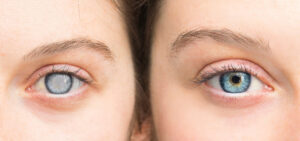

Introduction: What Are Cataracts and Why Surgery is Needed
Cataracts are a common condition where the lens of the eye becomes cloudy, resulting in blurry vision. They often develop slowly, so you may not notice significant changes at first. However, as cataracts progress, they can interfere with your ability to perform everyday tasks like reading, driving, or recognising faces.
When cataracts affect daily activities and your quality of life, surgery is typically recommended. Cataract surgery is the most effective way to restore clear vision. But as with any surgery, it’s natural to have questions about its safety, potential risks, and recovery process. This article aims to provide you with a comprehensive understanding of cataract surgery—what to expect before, during, and after the procedure—and how safe it really is.
What Is Cataract Surgery?
Cataract surgery is a procedure that removes the cloudy lens from the eye and replaces it with an artificial intraocular lens (IOL). The IOL is a clear, synthetic lens that restores vision by focusing light properly on the retina. The surgery is performed under local anaesthesia, meaning you will be awake during the procedure but will not feel any pain.
The procedure is minimally invasive and is typically performed as an outpatient procedure, so you can go home the same day. Cataract surgery is one of the safest surgeries performed today, with a high success rate and low complication rates.
Before Cataract Surgery
Pre-Surgery Eye Tests
Before the surgery, your eye doctor will perform several tests to assess the health of your eyes and determine the appropriate treatment plan. These tests help to measure the shape, size, and overall health of your eye to ensure the best results. Common pre-surgery tests include:
- Vision Test: Your doctor will check the clarity of your vision and assess the degree of cataract progression.
- Eye Measurements: Accurate measurements of your eye will help determine the type of intraocular lens (IOL) best suited for your needs.
- Retina Check: Your retina will be examined to rule out other conditions that could affect your vision after surgery.
- Corneal Health: Your doctor will check the health of the cornea to ensure it can heal well after the procedure.
Preparation Steps
On the day of your surgery, your doctor will provide specific instructions to help you prepare:
- Fasting: You may be asked not to eat or drink for several hours before the surgery to reduce the risk of complications.
- Eye Drops: You will be prescribed special eye drops to help prevent infection and reduce inflammation before the procedure.
- Medications: Discuss any medications you’re taking with your doctor to avoid potential interactions with the anaesthesia.
What Patients Should and Shouldn’t Do
Before surgery, it’s important to:
- Avoid Wearing Makeup: Do not wear eye makeup on the day of surgery, as it could cause infection.
- Plan for Transportation: Arrange for someone to drive you home after the procedure, as you won’t be able to drive immediately after surgery.
- Follow All Instructions: Carefully follow any other instructions your doctor provides to ensure a smooth surgery and recovery.
During Cataract Surgery
How the Procedure Is Performed
Cataract surgery is a quick, precise procedure. It typically takes about 15 to 30 minutes per eye. The surgeon begins by making a small incision in the cornea. They will then use ultrasound or a laser to break up the cloudy lens into smaller pieces, which are gently removed from the eye. Finally, the artificial IOL is inserted into the lens capsule, where the natural lens once was.

The incision is so small that it typically doesn’t require stitches and heals on its own.
Pain Management and Duration
One of the key reasons cataract surgery is considered so safe is the effective use of anaesthesia. The eye will be numbed with local anaesthetic drops, so you won’t feel any pain during the procedure. If you feel nervous, your doctor may offer sedation to help you relax. Most patients report feeling mild pressure but no significant discomfort during the surgery.
The entire process is usually completed within 15 to 30 minutes, and patients typically remain awake and alert throughout.
What Patients Experience During Surgery
During cataract surgery, you may experience sensations such as pressure or brightness, but it is not painful. You may be asked to focus on a light during the procedure, which helps the surgeon maintain alignment. It’s important to stay still, but the surgery is quick and often over before you know it.
After Cataract Surgery
Recovery Timeline
Cataract surgery recovery is usually quick, with most people noticing improved vision within the first few days. However, complete recovery can take a few weeks. Here’s what you can expect:
- Day 1 to 3: You may experience mild discomfort or a scratchy feeling in your eye. Vision might be blurry or cloudy at first.
- Week 1: Most patients see an improvement in their vision. Eye drops are usually prescribed to reduce inflammation and prevent infection.
- Week 2 to 4: Your vision continues to improve, and you can resume normal activities, but it’s important to avoid strenuous exercise or lifting heavy objects.
- 6 Weeks and Beyond: Full healing generally occurs within 6 to 8 weeks. Follow-up visits with your doctor ensure your eye is healing properly.
Vision Changes
It’s normal for vision to be blurry immediately after surgery. Over the next few days to weeks, your vision should gradually become clearer. Many patients experience significantly improved vision and even find that colours appear brighter. Some people still require glasses for reading or for certain activities, depending on the type of IOL chosen.
Post-Operative Care and Restrictions
After surgery, your doctor will provide instructions to help protect your eye and promote healing. This includes:
- Eye Drops: You will need to use eye drops for several weeks to prevent infection and reduce inflammation.
- Avoid Strenuous Activities: For the first few weeks, avoid activities like heavy lifting or bending over to prevent stress on your eye.
- Wear an Eye Shield: You may need to wear an eye shield or patch at night to prevent accidental rubbing or pressure on the eye during sleep.
Benefits and Success Rates
Cataract surgery has a very high success rate—over 95% of patients experience significant improvement in vision. Benefits of the procedure include:
- Restoration of Clear Vision: Most patients enjoy clearer, brighter vision after surgery.
- Improved Quality of Life: Restored vision allows patients to resume activities like driving, reading, and enjoying nature without the constant struggle of cataracts.
- Minimal Downtime: Cataract surgery is a quick procedure with a relatively fast recovery, allowing patients to return to their daily routine.
Possible Risks and Side Effects
While cataract surgery is generally safe, like any surgery, it does carry some risks. These may include:
- Infection: Although rare, infection can occur after surgery. It’s important to follow post-operative instructions closely to reduce this risk.
- Inflammation: Some swelling and irritation are common, but usually temporary and treatable with medications.
- Glare and Halos: Some patients experience glare or halos around lights, particularly at night. This typically improves after the eye heals.
- Retinal Detachment: In rare cases, retinal detachment may occur, which can affect vision.
When to Contact Your Eye Doctor
If you experience any of the following symptoms, it’s important to contact your eye doctor right away:
- Increased pain or discomfort that doesn’t improve with medication
- Sudden changes in vision, such as severe blurriness or loss of vision
- Redness, swelling, or discharge that doesn’t improve with prescribed treatments
- Flashes of light or an increase in floaters in your vision
Promptly addressing these concerns ensures the best outcome and can help avoid complications.
Conclusion: Cataract Surgery is Safe and Life-Changing
Cataract surgery is one of the safest and most effective procedures in modern medicine. With a high success rate, low complication risk, and quick recovery, it offers life-changing benefits for those struggling with cataracts. By understanding what to expect before, during, and after the surgery, you can approach the procedure with confidence and peace of mind.
If cataracts are affecting your quality of life, speak with an eye specialist to learn more about how cataract surgery can restore your vision and improve your daily activities.
FAQs
1. How safe is cataract surgery?
Cataract surgery is one of the safest and most successful procedures performed today. With a success rate of over 95%, most patients experience significant improvement in vision. While there are some risks, such as infection or inflammation, these are rare and can be effectively managed with proper care.
2. How long does it take to recover from cataract surgery?
Most people notice improvement in their vision within the first few days after cataract surgery. Full recovery usually takes around 4 to 6 weeks. During this time, you may need to avoid strenuous activities and use eye drops as prescribed. Regular follow-up visits ensure proper healing.
3. Can cataract surgery improve my vision permanently?
Yes, cataract surgery is designed to restore clear, sharp vision permanently by replacing the cloudy natural lens with an artificial intraocular lens (IOL). Most patients experience significantly improved vision and greater clarity after surgery, although reading glasses may still be needed for close-up work.
4. What are the possible risks of cataract surgery?
While cataract surgery is very safe, it does carry some risks, such as infection, inflammation, or glare. These risks are rare and manageable. In some cases, patients may experience temporary side effects like dryness, but these usually resolve as the eye heals.
5. Will I need glasses after cataract surgery?
Many patients no longer need glasses for distance vision after cataract surgery, especially if they opt for a multifocal or accommodating IOL. However, some may still need reading glasses for close-up tasks. Your eye doctor will discuss the best lens options for your needs before surgery.